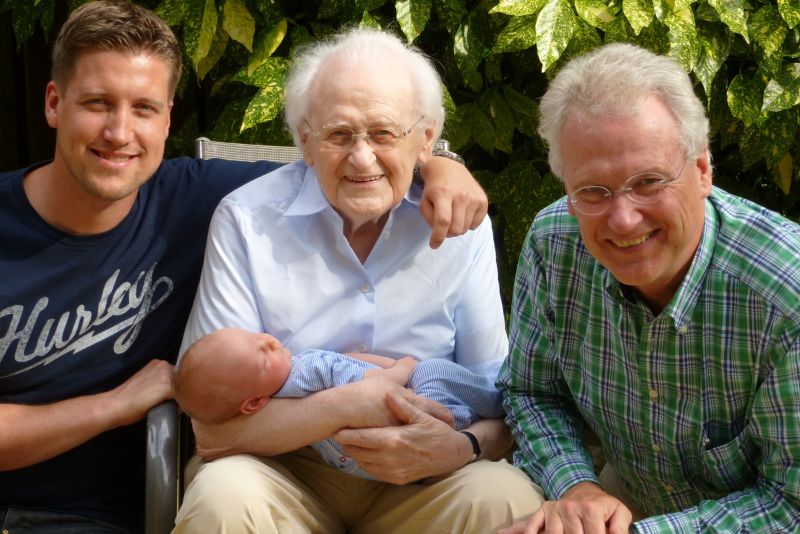
September is Healthy Aging Month – a perfect time to rethink what it means to get older.
When someone asks your age, you probably give them the number of years you’ve been alive. That’s your chronological age. But there is another way to think about aging: biological age. Your chronological age is fixed. Your biological age may tell a different story.
Chronological Age vs. Biological Age
Your chronological age is simple: it’s the number of years since your birth. Biological age is more complicated. It refers to how your body is functioning and how your cells and body systems are aging relative to other people your same chronological age. Think about two people who are both 55. One may feel energetic, maintain good muscle mass and strength, sleep well, have healthy metabolic markers, and recover quickly from exercise. The other may struggle with fatigue, poor sleep, loss of muscle, increased body fat, blood-sugar issues, and slower recovery. They are the same chronological age – but their bodies may be aging very differently.
This distinction is at the heart of healthy aging.
What Determines How We Age?
Aging is influenced by many factors, including genetics, environment, nutrition, physical activity, sleep, stress, hormones, metabolic health, and lifestyle. One fascinating area of research involves telomeres. Telomeres are protective structures at the ends of our chromosomes – often compared to the plastic tips on the ends of shoelaces. They help protect our genetic material.
As cells divide, telomeres generally become shorter. Telomere length has therefore been studied as one potential marker associated with biological aging. But telomeres are only one piece of a much larger picture. Today, researchers are also exploring other ways to estimate biological age, including patterns of DNA methylation, metabolic health, inflammation, body composition, cardiovascular fitness, and other measures of physiological function.
In other words, there isn’t one single number that completely defines how old your body is.
Your Health Habits Matter
One of the most encouraging things about healthy aging is that chronological aging isn’t the whole story. While we can’t stop the passage of time, many of the factors that influence how we feel and function as we age are within our sphere of influence.
Consider the basics:
- Build and maintain muscle.
Muscle mass and strength become increasingly important as we age. Resistance training can help support strength, mobility, balance, and independence. - Prioritize protein and nutrient-dense foods.
Your body needs adequate nutrients to maintain muscle, support metabolism, and repair and maintain tissues. - Protect your sleep.
Sleep is not simply “downtime.” It is an important part of recovery and overall health. - Support metabolic health.
Blood sugar regulation, insulin sensitivity, body composition, and cardiovascular health all play important roles in how we age. - Manage chronic stress.
Your nervous system and hormonal systems are deeply connected to your overall health. Finding sustainable ways to manage stress is an important part of healthy aging. - Move your body.
Walking, strength training, mobility work, cardiovascular exercise, and simply avoiding prolonged sitting can all contribute to healthier aging. - Know your numbers.
Routine lab work and health assessments can provide valuable information about what is happening beneath the surface—even when you feel fine.
Don’t Just Count the Years – Make the Years Count
Healthy aging isn’t about trying to look younger or pretending that getting older isn’t happening. It’s about aging well. It’s about having the strength to carry your groceries, the energy to travel, the metabolic health to enjoy life, the mental clarity to stay engaged, and the physical capacity to do the things that matter most to you. At Flourish, we believe health isn’t simply the absence of disease. It’s about understanding what is happening in your body and taking steps today that can support your health for years to come.
So this Healthy Aging Month, instead of asking only: “How old am I?”
Ask a better question: “How healthy am I for my age – and what can I do to improve the years ahead?”
Your chronological age is a number. Your health story is much bigger than that.
Ready to Take a Closer Look at Your Health?
You can’t change your chronological age – but you can take meaningful steps toward supporting your health and vitality as you age.
At Flourish Medical + Wellness, we look at more than a single number. We consider the bigger picture of your health, including metabolic health, hormones, nutrition, body composition, laboratory markers, and lifestyle factors.
Curious about your own healthy-aging picture? Schedule a New Patient Consultation.
Let’s talk about where you are today, where you want to be, and what steps may help you feel your best for the years ahead.
Reference: https://bodyhealth.com/blogs/news/measuring-biological-age-vs-chronological-age